Happy customers worldwide.
How Subscription Box Fulfillment Works With a 3PL
Subscription box fulfillment is not standard pick and pack. Each cycle has a deadline, a bill of materials, multiple component suppliers, and branded packaging requirements. The 3PL operation must manage all of this on a recurring cadence.
Components Arrive and Get Counted
Each component SKU is received, counted, and slotted independently. The WMS tracks available units per item so you know exactly what is on hand before each build window.
Kits Are Assembled to Your Build Sheet
Assembly follows the bill of materials: which items, which tier, which inserts, and what packaging. Quality checks confirm each box matches the spec before it enters the ship queue.
Boxes Ship on Your Schedule
Finished kits ship within your defined window. Tracking numbers sync back to your platform so subscribers get delivery updates and your support team has visibility.
What Makes Subscription Box Fulfillment Different
Standard ecommerce fulfillment pulls existing SKUs from shelves. Subscription box fulfillment builds a new product every cycle from components that arrive separately.
Recurring Build Deadlines
Every month (or quarter) has a hard ship date. The 3PL must coordinate component receiving, assembly, and shipping to hit that window consistently.
Variable Kits by Tier
Different subscription tiers get different products. The bill of materials changes per tier, per cycle, and sometimes per region or personalization option.
Multi-Supplier Components
Components come from different suppliers on different timelines. The warehouse must receive, count, and stage everything before assembly can start.
Branded Unboxing
Subscription customers expect a curated experience. Tissue, inserts, samples, and packaging design are part of the product—not an afterthought.
Subscription Box Fulfillment Operations at Evobox
Each build cycle follows the same controlled process: bill of materials, component staging, assembly, quality check, and ship. The result is consistent boxes every cycle, delivered on time to your subscribers.
Bill of Materials and Build Sheet Per Cycle
You define what goes into each tier for the upcoming cycle. The BOM locks in components, quantities, inserts, and packaging so every station assembles the same box.
Component Staging and Inventory Reconciliation
As components arrive from suppliers, the warehouse receives and counts against the BOM. Missing or short items surface before assembly starts—not after boxes are half-built.
Assembly, Quality Check, and Ship Window
Assembly follows the build sheet. Each finished kit passes a quality check before entering the ship queue. Boxes leave the warehouse within your defined ship window with tracking synced to your platform.
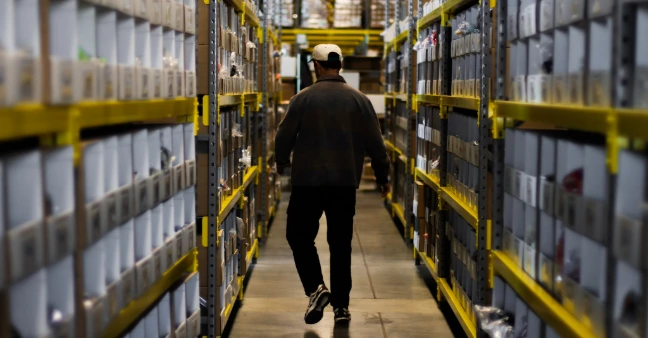
Inbound Components to Our 3PL Warehouse
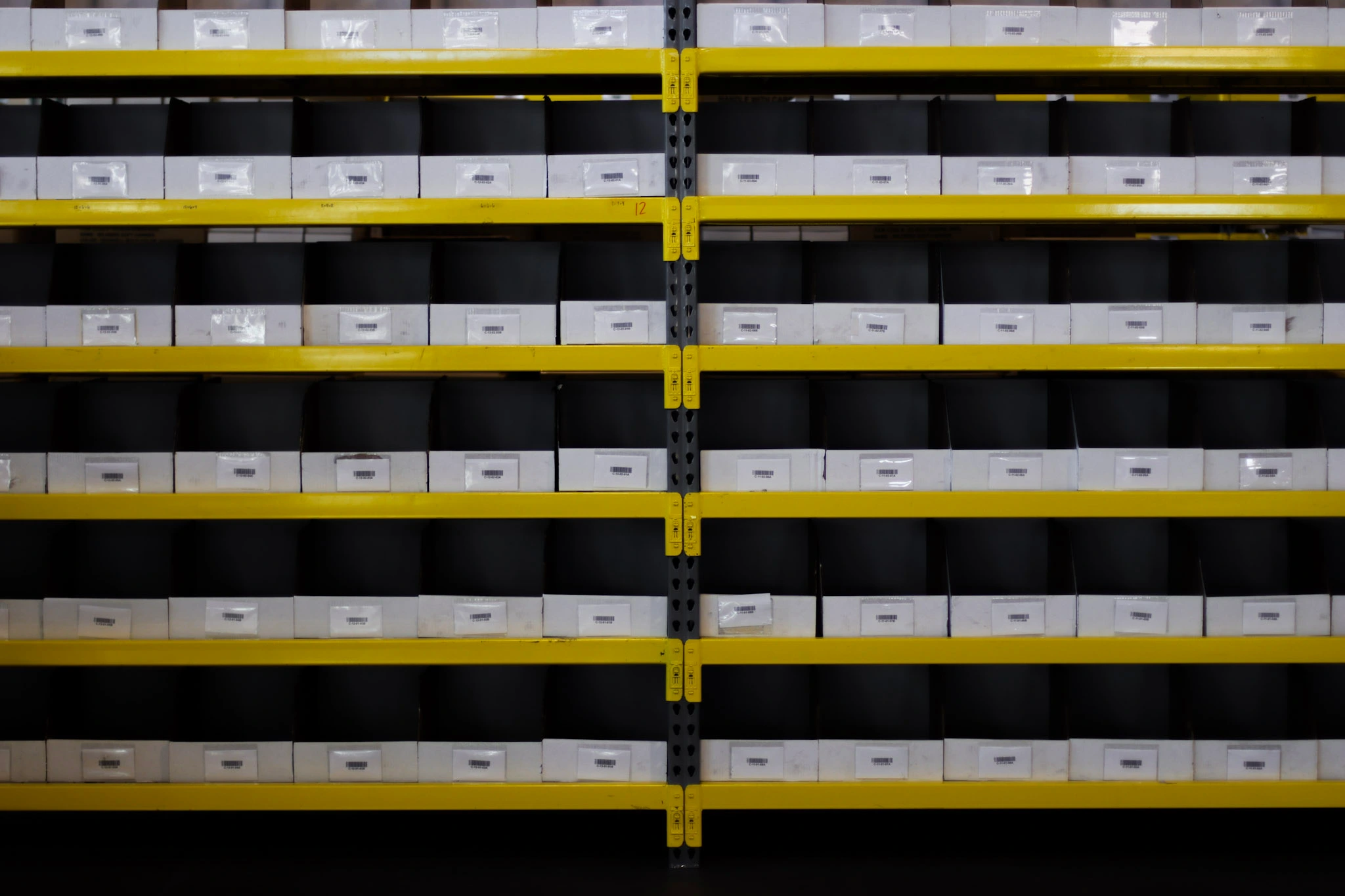
Components arrive from your suppliers. We receive against purchase orders, count, barcode, and slot into staging locations ready for the next build cycle.
- PO-driven receiving with discrepancy reports
- Individual component SKU tracking in the WMS
- Staging aligned to your build calendar
Assembly stations follow the BOM for each tier. Components are assembled into finished kits with your packaging, inserts, and any personalization elements.
- Tier-specific bill of materials per cycle
- Branded boxes, tissue, inserts, and samples
- Quality check before kits enter the ship queue
Subscriber Orders Allocated and Labeled
Finished kits are allocated to subscriber orders. Labels print, carrier routing selects the best service for each destination, and boxes queue for pickup.
- Order allocation from your subscription platform
- Carrier selection by zone and service level
- Gift orders and one-time purchases handled inline
Shipping and Tracking Synced to Your Platform
Boxes ship within your defined window. Tracking numbers sync back to Shopify, Cratejoy, or your subscription management platform so subscribers get updates automatically.
- Ship-window compliance for each build cycle
- Tracking pushed to subscriber order records
- Inventory deducted and low-stock alerts triggered


Subscription Box Fulfillment FAQ
Evobox works with subscription brands shipping roughly 500 or more boxes per month. Smaller runs may be reviewed when kit complexity, component count, or growth plans warrant it.
Yes. Each tier gets its own bill of materials in the WMS. Whether you run two tiers or ten, the build sheet defines exactly which components go into each variant for every cycle.
Components should arrive at least one week before the build window. Earlier arrival gives time for receiving, counting, and slotting so the assembly line starts on schedule.
Yes. Gift orders and one-time purchases can run through the same build cycle or ship individually. Custom inserts like gift notes are handled per order at the pack station.
Late components are flagged in the WMS. If partial builds are approved, completed kits ship on time and remaining units ship when the late item lands. Your team is notified so you can communicate with subscribers.
Yes. Inserts, coupons, samples, brand cards, and promotional items are defined per build cycle or per tier in the bill of materials. Pack stations include them following the build sheet.
Each component SKU is tracked independently in the WMS. As builds consume components, available counts update in real time. Low-stock alerts can trigger before the next build window.
Kit assembly and shipping run from fulfillment warehouses in Utah and South Carolina. Two regions support national ground delivery and reduce transit time for subscribers across the US.
Ready to Scale Your Subscription Box Fulfillment?