Happy customers worldwide.
How Shopify Fulfillment Works With a 3PL
We store your inventory, pick and pack orders, and ship with tracking synced back to Shopify. Here are the three stages after your store connects.
Store Setup & Integration
Connect Shopify to Evobox, map SKUs and locations, and confirm routing rules so inventory management and order import match what checkout shows before you scale volume.
Order Processing & Fulfillment
Shopify orders become pick tasks with scan checks; receiving, picks, and returns update on-hand stock so ecommerce fulfillment stays accurate in the warehouse and in your admin.
Shipping, Tracking & Returns
Carriers and tracking sync to the Shopify order; returns hit the same fulfillment workflow so shipping and tracking and restocks stay tied to one order record.


How Evobox Runs Shopify Fulfillment Operations
What we validate before you scale Shopify order fulfillment: store connection and SKU accuracy, live inventory and fulfillment signals, whether your brand fits our model, and a concrete launch-day ecommerce fulfillment path.
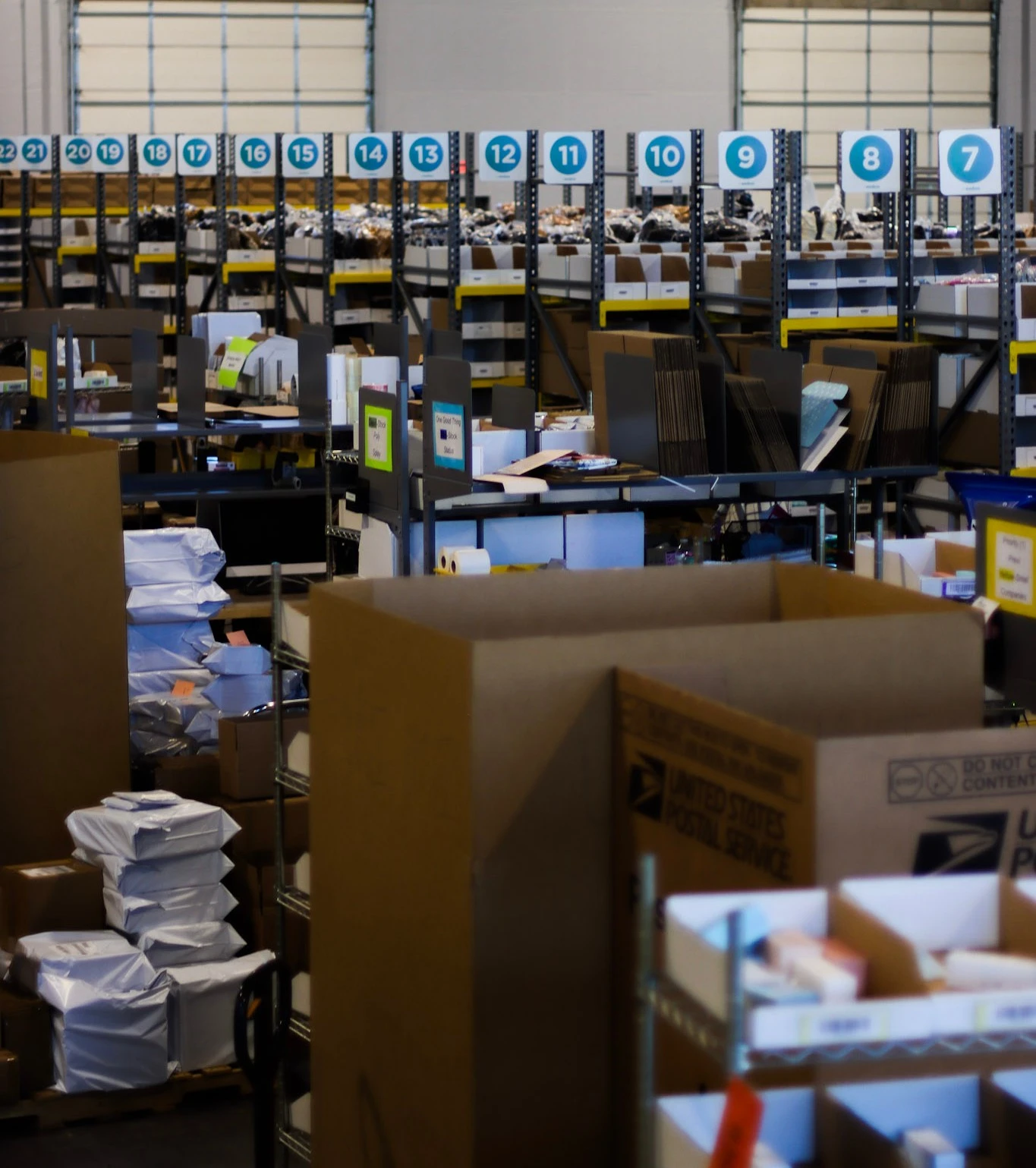
We test Shopify integration end to end, map sellable SKUs to bins and allocation rules, and run sample orders so inventory management and routing match what customers see at checkout.
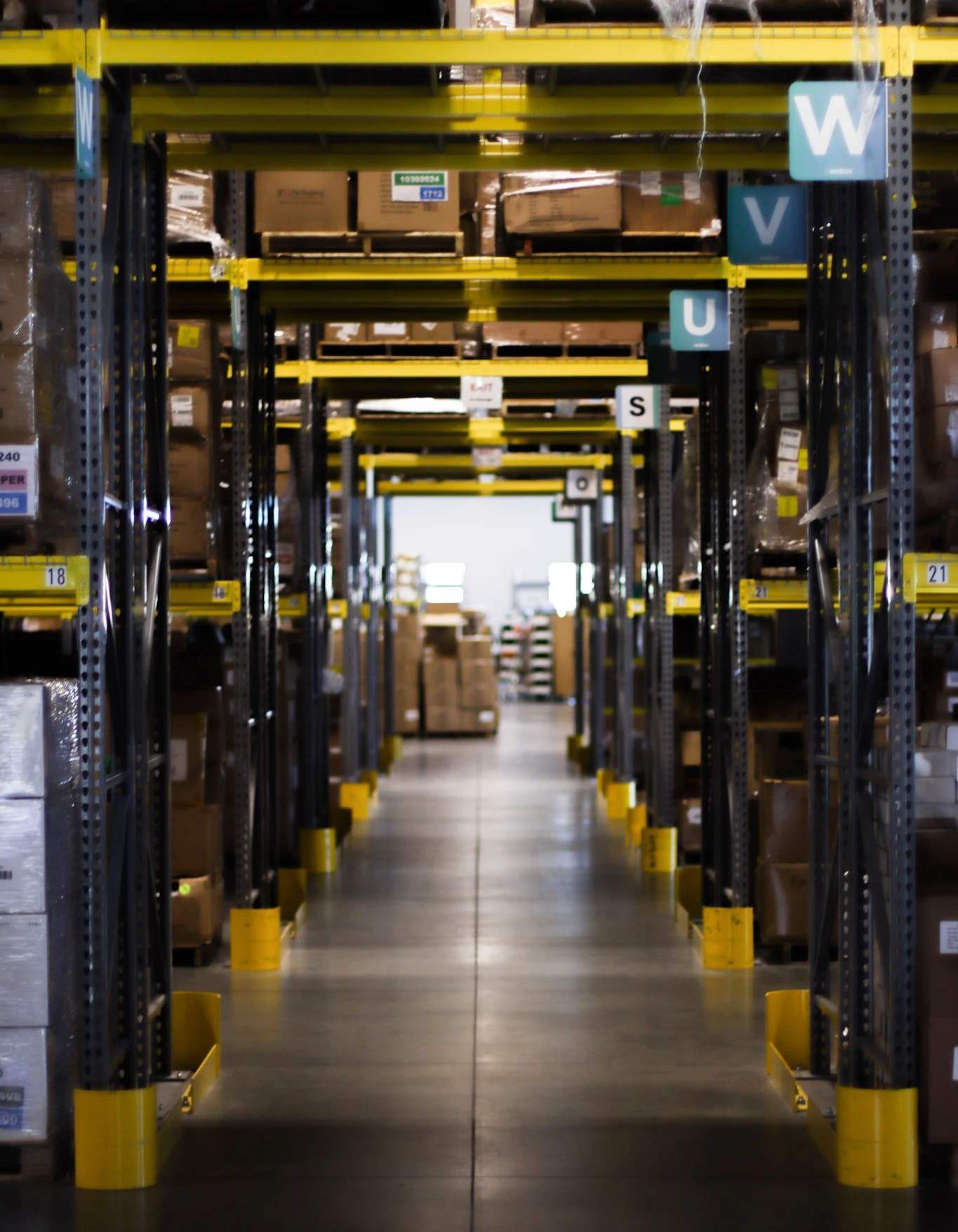
Receiving, picks, and returns update on-hand inventory in the fulfillment warehouse; fulfillments push carrier, service, and tracking so shipping and tracking in Shopify match the floor.
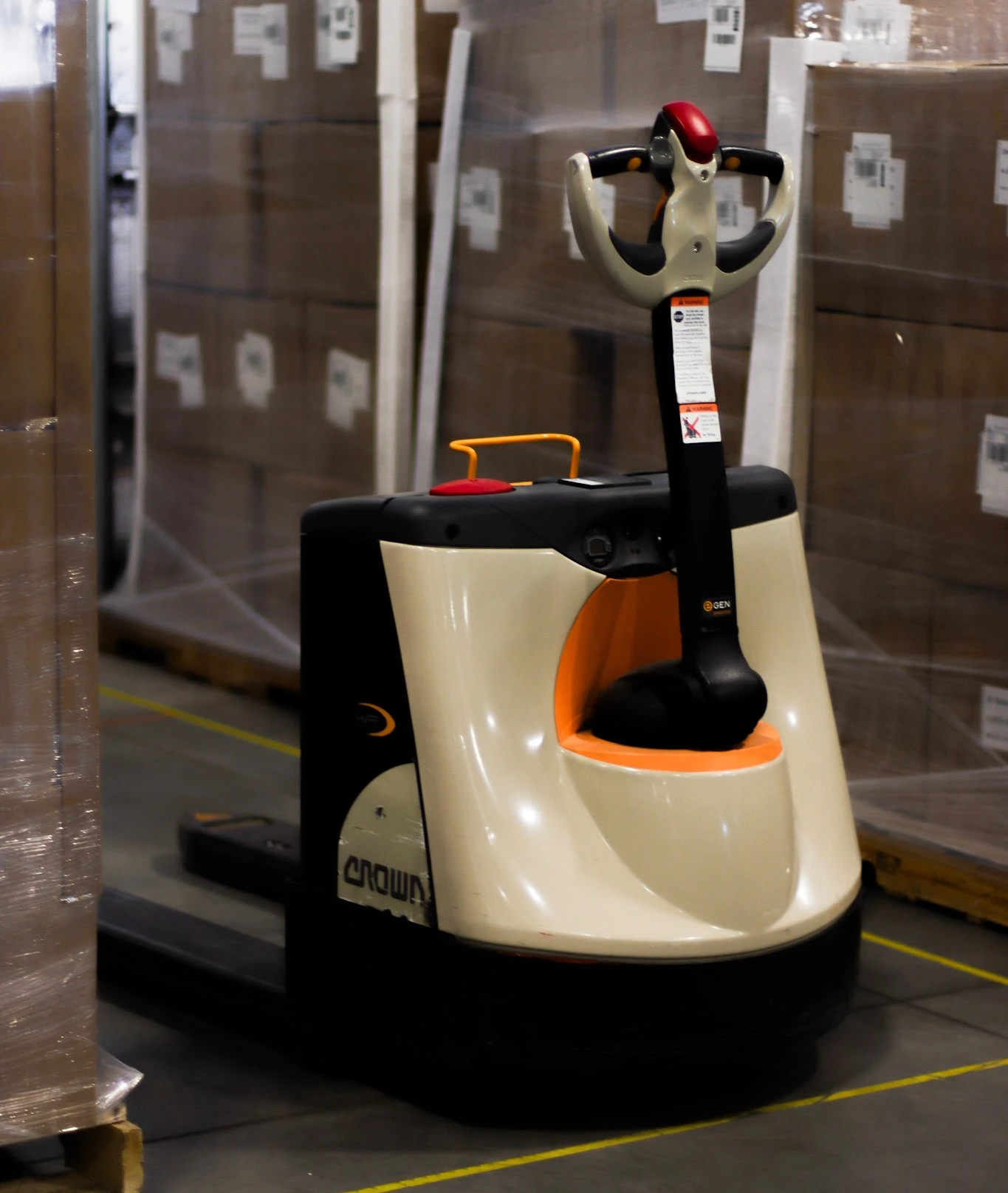
We focus on ecommerce brands at roughly 500+ monthly orders that need hands-on support for launches, promos, and day-to-day fulfillment exceptions—not a self-serve-only queue.
On a product drop, orders sync into order fulfillment, picks batch by cutoff, pack stations follow your branded rules, and tracking returns to Shopify without CSV handoffs.
Shopify Fulfillment Setup: Five Steps to Live Order Fulfillment
This is the onboarding path for Shopify fulfillment services: connect the store, stock the fulfillment warehouse, go live on shared rules, then run steady-state ecommerce fulfillment with the same inventory management and pick and pack cadence.
01
Integration Kickoff
Install the Shopify connection, grant scopes, and run test fulfillments until SKUs, locations, and inventory management match between Shopify and the warehouse—before live order fulfillment traffic hits the floor.
02
Inbound Inventory & Slotting
Send stock with advance notice so the fulfillment warehouse can receive, count, and slot in Utah or South Carolina. You want a ready pick face before launch—not dock delays blocking Shopify orders.
03
Cutover & Live Order Routing
After QA, new Shopify fulfillments route here. Other sales channels you connected share the same ecommerce fulfillment queue and packing rules you approved at go-live.
04
Production Cadence
Cutoffs, carrier choice, branded pick and pack at the station, and how short picks or holds get cleared—the repeatable order fulfillment rhythm at volume.
05
Post-Purchase & Account Support
Shipping and tracking and returns stay on the Shopify order. After go-live, we monitor restocks, exceptions, and account check-ins so inventory management and service levels stay stable.
Getting Started With Shopify Fulfillment
Shopify fulfillment setup usually takes about one to two weeks. We confirm scope for inventory management, pick and pack, and shipping and tracking before we cut over live orders. Here is what we review for your plan:
Monthly Order Volume
Typical fit is roughly 500+ monthly orders so ecommerce fulfillment and support capacity stay aligned.
SKU Count and Storage
SKU count, storage needs, and any oversized, fragile, or temperature-sensitive lines that affect the fulfillment warehouse.
Special Handling
Kitting, assembly, branded inserts, subscription boxes, or hazmat documentation your order fulfillment requires.
Sales Channels
Which channels run today and which you will add so inventory and routing stay one program.
Shopify Fulfillment FAQ
Shopify fulfillment is the process of storing inventory in a fulfillment warehouse, then picking, packing, and shipping orders from your Shopify store, with shipping and tracking posted back to the order. Evobox provides Shopify fulfillment services as a Shopify 3PL: order import, barcode pick and pack, carrier selection, tracking sync, inventory management updates in Shopify, and returns handling. Kitting or light assembly is available when your catalog needs it.
Shopify orders enter Evobox as fulfillable requests. Inventory management in the warehouse updates when we receive stock, pick and ship orders, and process returns, so available quantity in Shopify reflects the fulfillment warehouse. When a shipment ships, carrier and tracking data attach to the Shopify fulfillment record.
Eligible orders are targeted for outbound processing on a next-business-day cadence after warehouse release—often within about 24 hours when the SKU is pick-ready and the order clears your cutoff rules. Timing depends on SKU mix, channel rules, and peak volume.
Yes. Evobox connects Shopify with other marketplaces and carts you use—such as Amazon, Walmart, Etsy, eBay, and WooCommerce—so ecommerce fulfillment can run in one operational queue with shared inventory and packing rules where you configure them.
Returns arrive at the fulfillment warehouse, are inspected against your rules, and sellable units are restocked with counts pushed to connected systems so Shopify inventory management stays accurate. Returns management is part of the broader order fulfillment program.
Evobox runs fulfillment warehouse operations in Utah and South Carolina. Both regions support national ecommerce fulfillment and let you place inventory closer to demand when it fits your network plan.
Most brands reach production in about one to two weeks: connect the store, map SKUs and locations, inbound inventory to the fulfillment warehouse, run test fulfillments, then cut over live order fulfillment after checks pass.
Ready to Scale Your Shopify Fulfillment?