Happy customers worldwide.
Reverse Logistics Runs on Rules, Queues, and Cutoffs.
Same-Business-Day Returns Intake
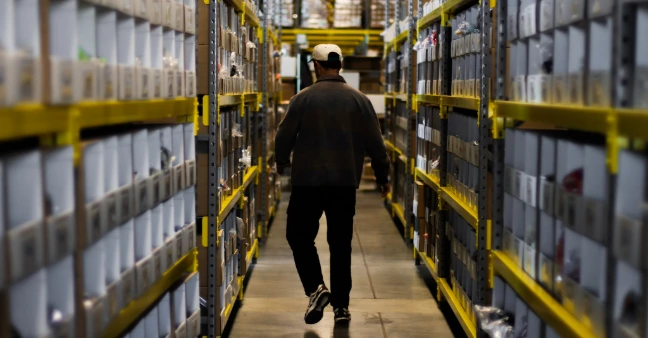
Cartons are opened, scanned, and tied to order or RMA the day they arrive—faster visibility for your team and fewer “where is this return?” tickets dragging on CX.
Learn MoreRestock Target: ~24 Hours After Pass
Approved SKUs move to pickable locations quickly so you can put returned inventory back on sale sooner—ATP in your OMS tracks what pick and pack services can actually ship.
Learn MoreTwo US Regions for Reverse Logistics
Returns ride the same 3PL network as outbound—Utah and South Carolina—so transit and routing stay predictable and you avoid a disconnected returns island that skews inventory accuracy.
Learn MoreRMA Queues & Disposition Paths
Authorization, reason codes, and non-sellable routing follow your playbook—each unit logged before it leaves the lane so finance sees shrink and exceptions with less manual reconciliation.
Learn MoreIntake, Inspect, Route, Restock—How the Queue Runs
Ecommerce returns are not a black box. This is the queue: match at intake, grade to policy, isolate exceptions, then close the loop with disposition or resale—so inventory accuracy and resale velocity stay tied to what physically moved.
Dock Intake: Scan and Match Order or RMA
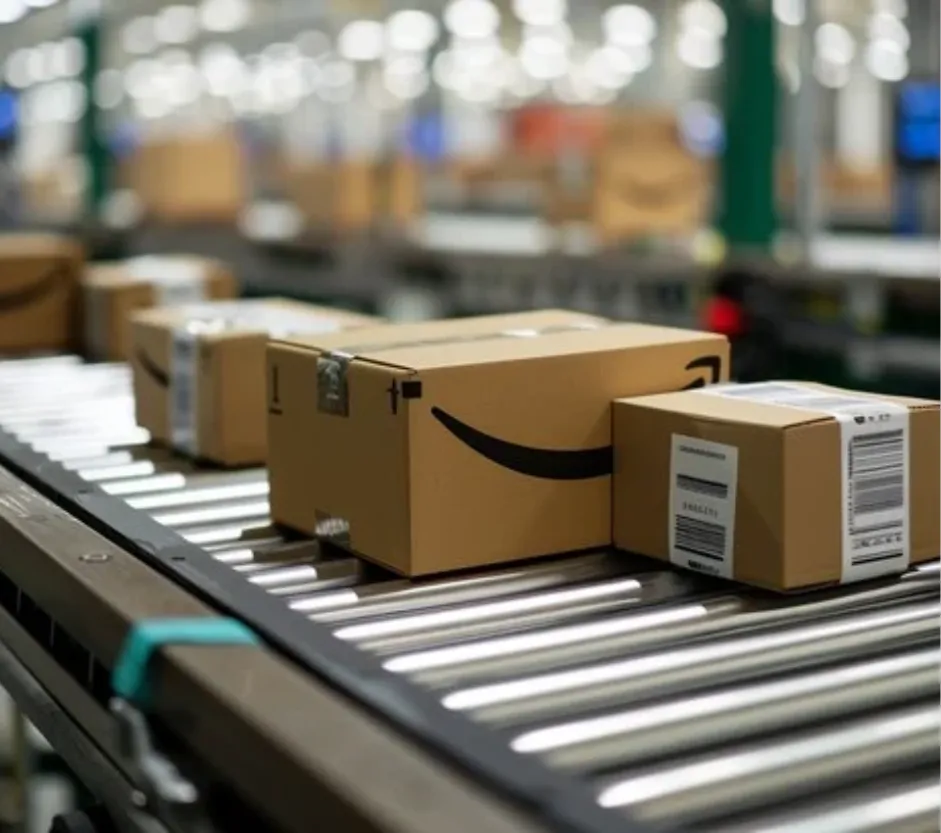
Cartons are opened, barcodes scanned, and each unit tied to order ID or RMA before grading so ecommerce returns land in the correct WMS lane.
Inspection: Grade to Your Pass or Fail Matrix
Operators apply your sellable, refurbish, and scrap rules at the bench—same criteria on every shift so restock decisions stay consistent at volume.
RMA and Exception Lanes
Queues split by order, SKU, reason code, or authorization so disputes and partials sit in exception lanes without blocking standard restock flow.
Close the Loop: Resale or Controlled Exit
Sellable units return to available quantity on a short clock; everything else exits through your liquidation, donation, refurbishment, or disposal path with a disposition record per SKU—fewer stock discrepancies month-end.
Buyers ship to your Evobox returns address. Inbound follows the same receiving windows as forward fulfillment so reverse logistics does not idle behind outbound spikes.
- Scheduled receiving tied to fulfillment cutoffs
- Routing to Utah or South Carolina as configured
- Reverse queue staffed with outbound volume
We open cartons, scan units, and tie each line to order ID or RMA in the WMS. Condition hits the record before grading so ecommerce returns stay traceable.
- Barcode-level logging per unit
- Order or RMA match at intake
- Condition notes on file before inspection
Operators grade each unit to your return policy. Sellable SKUs split from damaged, used, or incomplete lines before any restock or disposition move.
- Same criteria at volume—no ad hoc calls
- Sellable vs non-sellable split before routing
- Exceptions flagged without stalling the lane
Units that clear inspection move to pick faces so listings reflect real ATP—faster resale of returned inventory, fewer oversells from stale counts. Anything that fails follows your refurbish, donate, liquidate, or destroy track with a disposition ID tied to the SKU before channels update.
- Shorter path from return received to re-sellable quantity
- Working capital clears faster when resale is real, not “in transit”
- Disposition logged per SKU—less manual reconciliation for ops and finance
When restock posts, sellable quantity updates in the WMS and pushes to your cart and marketplaces—inventory accuracy your CX team can trust, including flows through Shopify fulfillment services and other channels.
- ATP tracks physical bins—fewer cancellations after the sale
- Less manual inventory cleanup for your ops team
- Bundles and kits stay aligned with component stock


Onboarding: Volume, Rules, Channels
We align reverse logistics to your policy before the first carton hits the dock. Expect questions on these four areas:
Monthly Return Volume
Average and peak units per month—steady baseline vs spikes on promos, holidays, or subscription renewals—so we staff intake and inspection to your curve.
Inspection Criteria
Your pass or fail matrix: packaging, wear, missing parts, and seals. Include whether you want photo or note evidence for chargebacks and RMA disputes.
Disposition Rules
Per fail type: donate, liquidate, refurbish, destroy, or return-to-vendor. We execute the path you document—no default dumping without approval.
Connected Sales Channels
Which carts and marketplaces feed orders so restock posts to the correct integration and bundles decompose cleanly in the WMS.
Reverse logistics runs at our Utah and South Carolina fulfillment centers alongside outbound—national ground coverage without a separate returns-only network.
Forward and reverse share the same stack: explore pick and pack services, kitting and assembly services, and Shopify fulfillment services.
Get Pricing
Returns Management FAQ
Returns management is reverse logistics for ecommerce returns: receive the carton, scan and tie each unit to an order or RMA in the WMS, inspect, route disposition, then restock or remove sellable quantity. A 3PL runs that loop in the warehouse so your brand keeps one inventory truth without staffing an in-house returns desk.
Evobox runs returns management with the same WMS discipline as pick and pack services and kitting and assembly services—intake through channel sync—so approved units re-enter sellable inventory faster, with fewer stock discrepancies between channels and the warehouse.
Each unit is graded to your pass or fail rules at inspection. Sellable SKUs move to restock bins so you can put inventory back on sale with consistent quality; non-sellable units enter the disposition path you configured during onboarding—liquidation, donation, refurbishment, or scrap—with a record per SKU and reason code.
That split protects customer experience on the storefront and gives finance cleaner visibility into shrink.
Most ecommerce returns are logged the same day they arrive at the dock. Inspection runs in the next operational cycle based on volume and cutoffs.
After a unit passes inspection, sellable SKUs typically move to pickable locations within about 24 hours, depending on your workflow—so you can turn returns into resale faster, with ATP aligned to what pick and pack services can ship and less manual reconciliation for your team.
Yes. Once a unit passes inspection and is restocked, inventory updates in the WMS and syncs automatically to your ecommerce platform and marketplaces—including stacks you run through Shopify fulfillment services and other integrations.
That keeps available-to-promise aligned with physical stock in near real time: fewer oversells, fewer post-purchase surprises for customers, and less spreadsheet cleanup for your team.
Yes. Shopify, Amazon, eBay, Etsy, WooCommerce, and other integrations feed one returns queue. Each inbound unit ties to its originating order so multichannel ecommerce returns stay traceable.
You get better inventory accuracy across channels and a clearer picture of which listings are actually supported by stock—less guesswork for merchandising and ops.
Yes. Use your existing RMA logic or define one with us. Returns are keyed by authorization, order ID, SKU, or reason code so the right policy applies before restock.
That means fewer disputes between CS and the warehouse and faster resolution when a return does not match the authorization.
Non-sellable units follow your written disposition rules—donate, liquidate, refurbish, or destroy. Each decision is documented so finance and ops see what left the sellable pool and why.
Documented dispositions tighten inventory accuracy and close the loop on shrink instead of leaving unexplained deltas month to month.
Returns management runs at Evobox Utah and South Carolina fulfillment centers—national ground coverage with reverse logistics staffed next to outbound pick and pack services and kitting and assembly services.
Returns do not sit in a disconnected facility with different inventory rules than your forward fulfillment—same network, same controls.
Sellable Returns—Not a Cost Center.